Bronx, New York
Wildlife Conservation Society
44,000 sf
Yes, this is Helpern Architects’ most loved project. Certainly, it is its most unique project – especially because the large building at the heart of the exhibit is “invisible.”
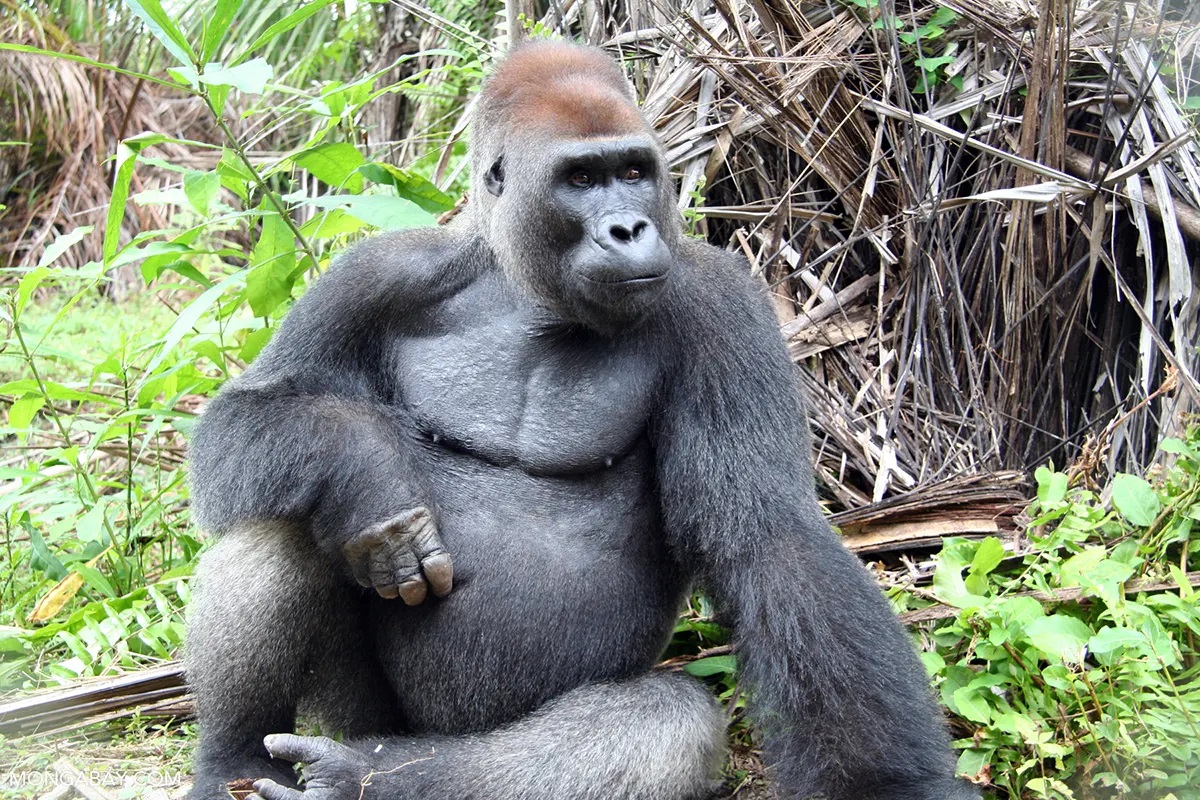
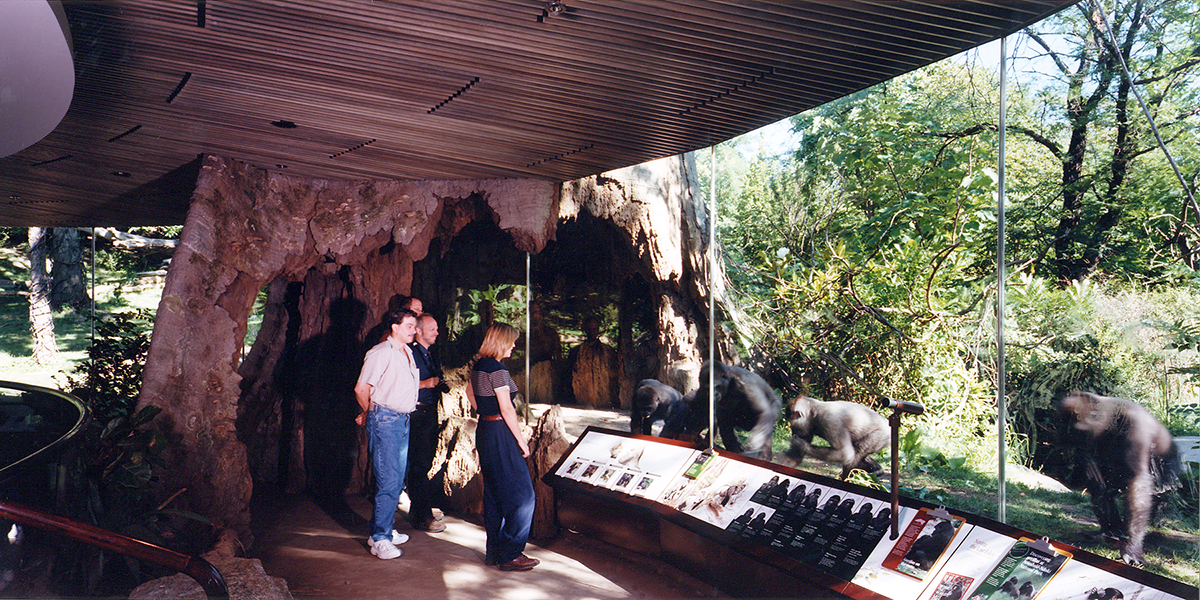
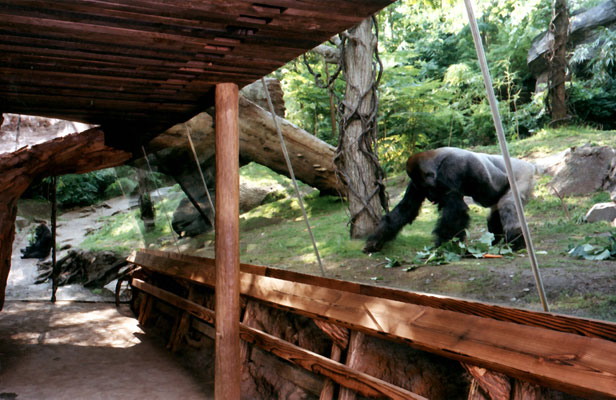
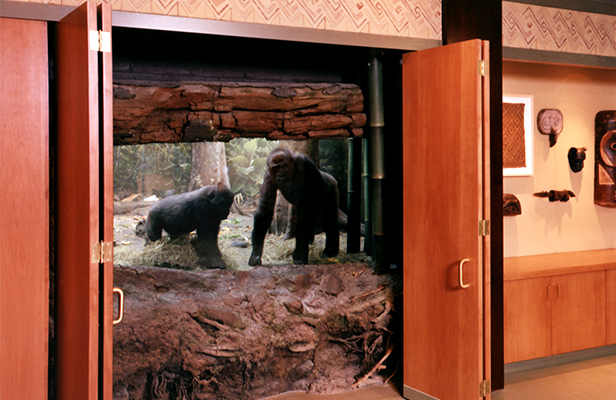
At 6½ acres one of the largest indoor/outdoor zoo exhibits anywhere, the Bronx Zoo’s Congo Gorilla Forest brings visitors face-to-face and 1½ inches of impact-proof glass away from more than 20 Western Lowland Gorillas and other imperiled species. The design places people not just in the middle of the Congo rainforest but, most to the point, inside the animals’ world, surrounded by 300 animals – the opposite of the traditional approach to zoo display.
Helpern Architects worked closely with exhibit designers, curators, keepers, and operations personnel from the Wildlife Conservation Society to design the “Living Museum” and its carefully crafted environment. WCS describes it as a “groundbreaking, participatory exhibit [that] connects WCS field work to the work happening at the Bronx Zoo.”
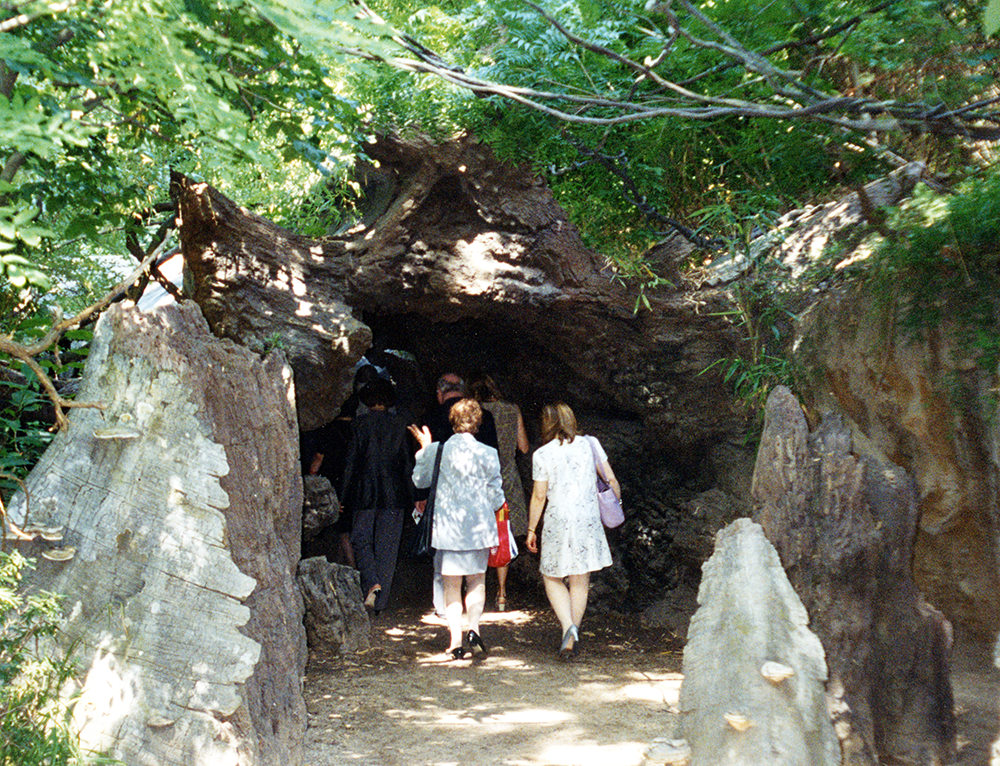
Is the exhibit’s design effective? New York Magazine’s architecture editor selected Congo as one of the city’s 19 Best New Buildings over the publication’s 40-year history – even though the boulder-and-stone-covered structure is intentionally invisible. The exhibit also received the Art Commission of the City of New York’s Award for Excellence in Design.
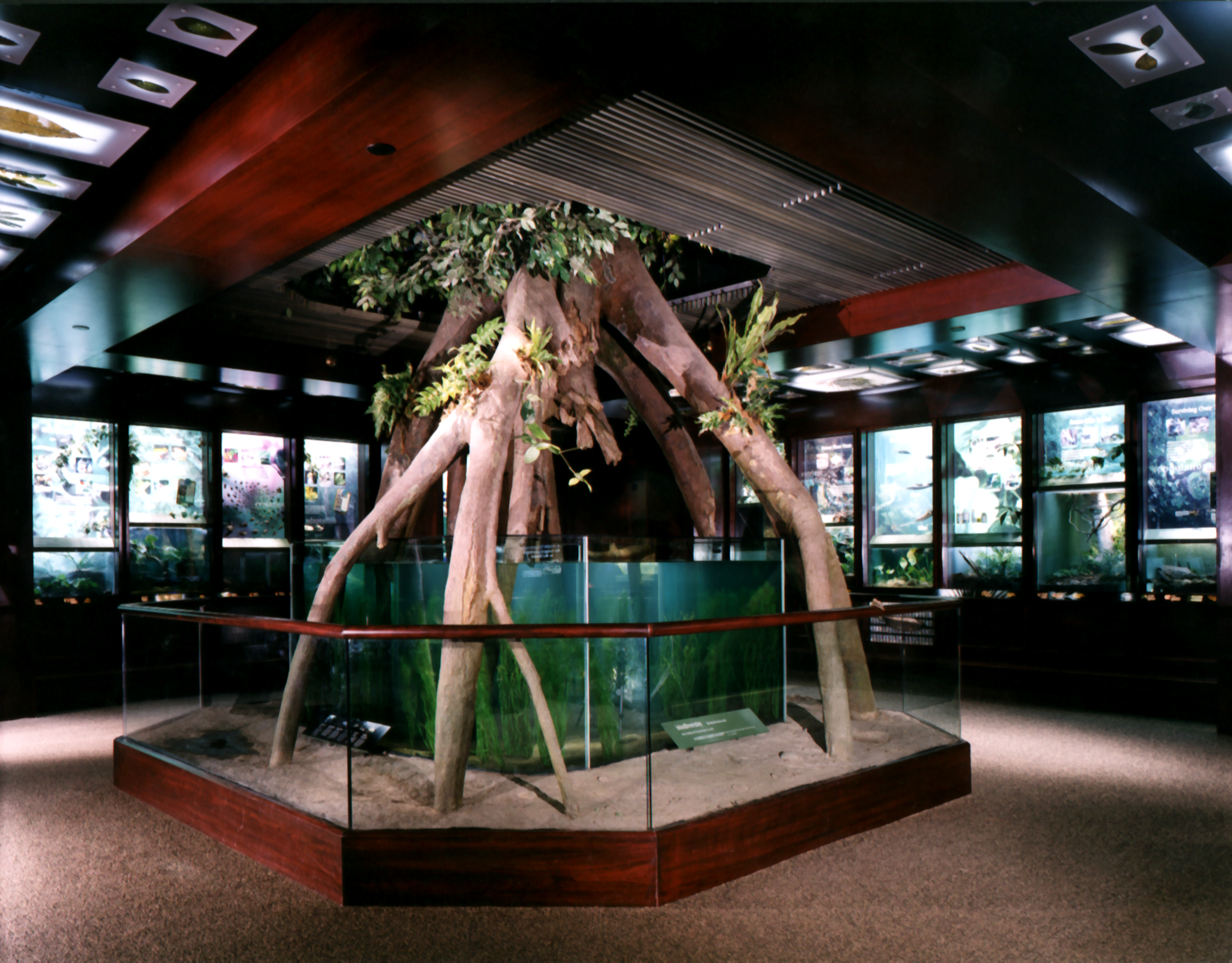
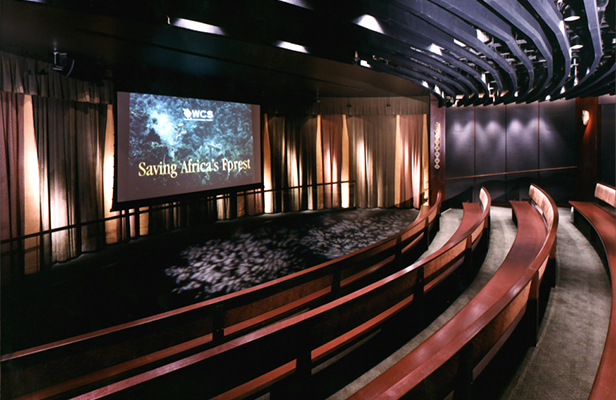
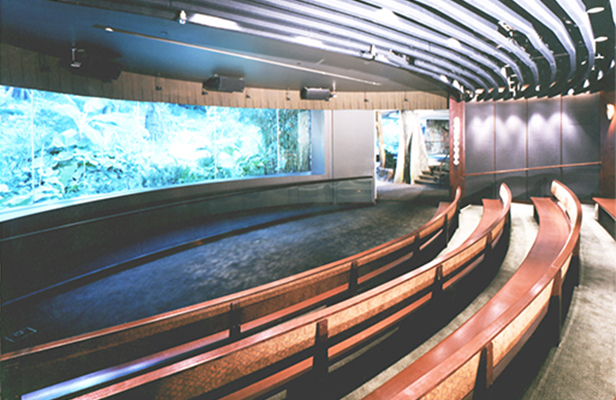
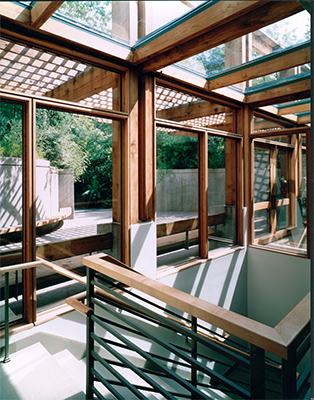
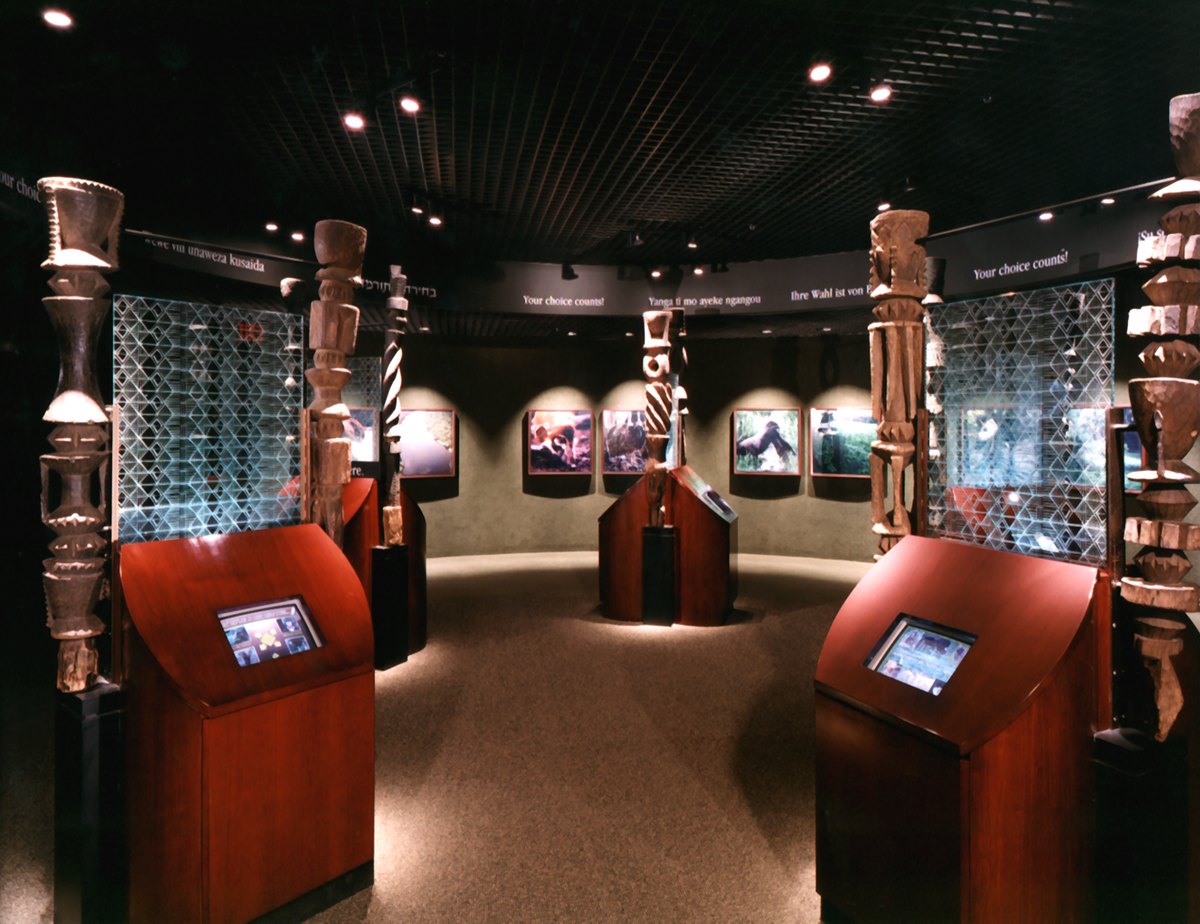
The architectural portion of the exhibit is a 44,000-sf structure that houses a small museum, an auditorium that overlooks the gorilla precinct, an animal management facility, and, on the unseen second floor, an education center for teacher training and other WCS education programs – used also [imagine this!] for student sleepovers on its trellised courtyard.
On the property, completely making the adjacent central-Bronx neighborhood vanish, landscape architects created a half-natural, half-manmade rainforest, with 400 species of plants, 55 “trees,” sculpted rock, 11 waterfalls, and a ground-fog system.
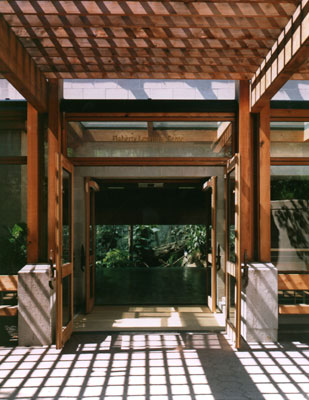
The landscaping completely obscures the building by berms and vegetation along the 200-ft northern façade where the public entrance to the building is located. The non-public service side is reached by its own access road.
When they are not in their forest habitat, 300 animals – mandrills, Red River hogs, guenons, Congo peacocks, okapi, and the gorillas – are housed in the animal management facility.
Photo of the Lowland Gorilla at the start of the scroll by Rhett A. Butler, Mongabay.com.