New York City and Westchester County, NY
Consolidated Edison of New York
The relationship between Con Ed and Helpern Architects dates back to 1981. How many firms have this kind of history with a client?
For well over 700 projects on consecutive term contracts, we have provided inspections, feasibility studies, photographic and written reports, new-building designs, interior design, LEED certification, a range of preservation and renovation services, and cost estimates to perform that work.
We have also represented Con Ed at courtesy agency and community presentations, and at public hearings where contextual design, safety, security, and noise attenuation are all issues.
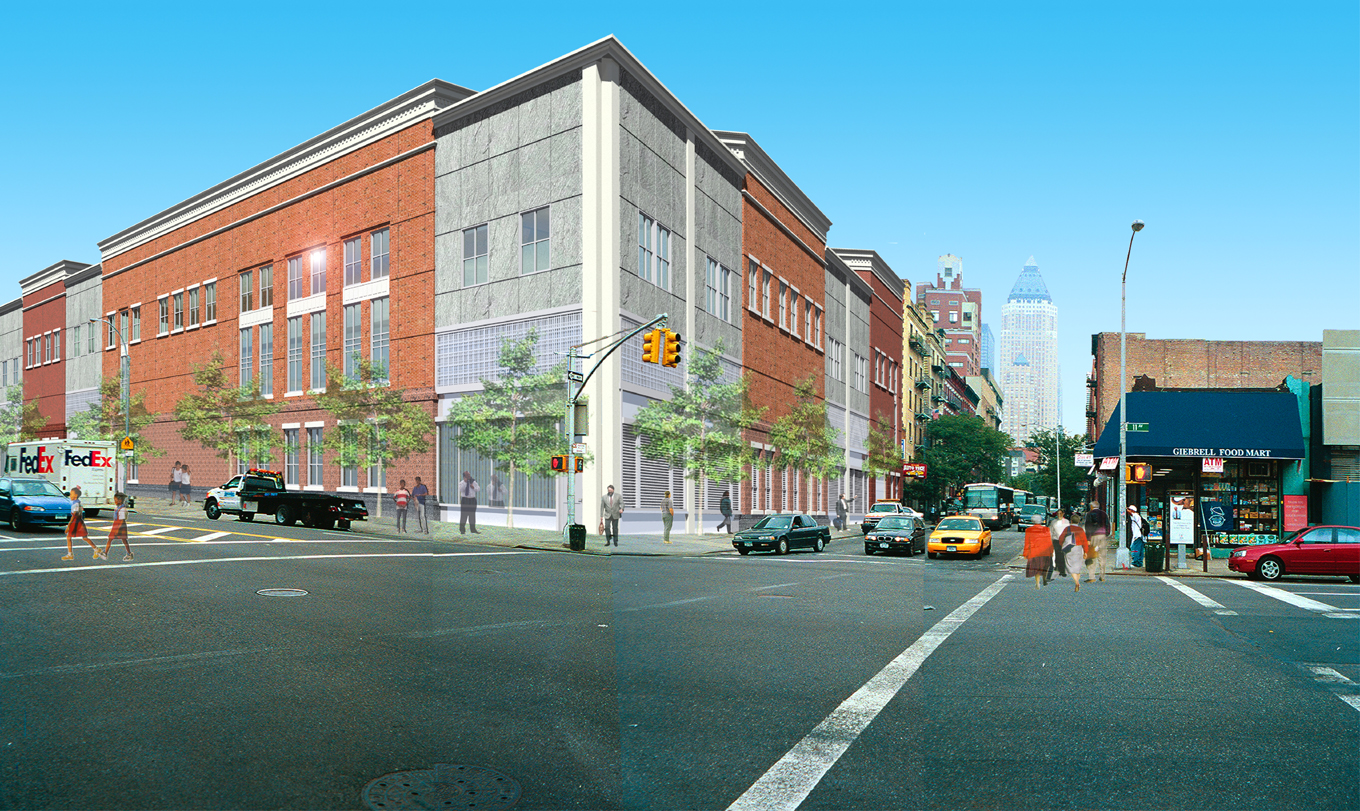
Con Ed has so far built two of the four substations we designed, to add capacity and improve distribution. We have inspected and replaced hundreds of roofs, walls, and parapets, including the Astoria Generating Station, where we replaced 220,000 sf of roofing. We have also planned improvements for, and then renovated, operations and workout centers and control rooms, and specified signage to meet OSHA requirements for worker safety.
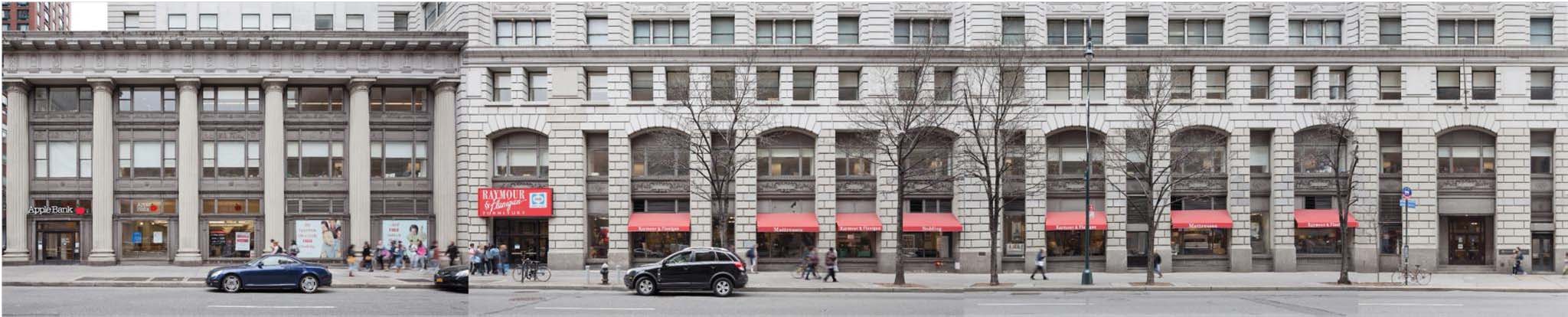
We began to restore Con Ed’s century-old, block-square 4 Irving Place headquarters 30-plus years ago with the intricate preservation of the “Tower of Light” promenade belfry. [The building is actually a few combined structures designed first by Henry Hardenbergh and then by Warren & Wetmore.] Continuing this privileged series of assignments, we have replaced 2,500 windows, the oldest of them copper over wood; repaired all the masonry; and explained how to restore the cast iron-and-copper storefronts around the base of the building.
Recent standout projects include conceptualizing and implementing Office of the Future spaces, and decommissioning the vast Brinckerhoff Building.
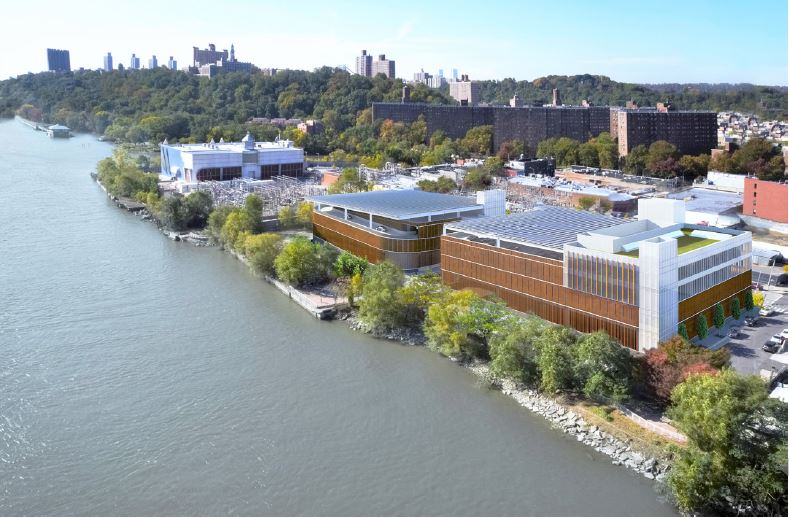
At the start of 2019, Helpern Architects completed its biggest ground-up Con Ed project: the master plan, schematic design, and design development documents for the new, four story-high Sherman Creek Service Center, in anticipation of its being executed by a design/build contractor. The campus includes two buildings running north/south at the edge of the Harlem River at the Inwood [north] end of Manhattan.
Designed for the Gas & Electric Units, the facility includes offices, training rooms, storage, and interior parking for equipment vehicles and cars. The design responded to the community’s requirement for access to the water and the anticipated Manhattan Waterfront Greenway. The 50,000 sf of PV panels that will cover both roofs will provide two-thirds of the complex’s power. The sustainability goal is the equivalent of LEED Gold and EPA ENERGY STAR ratings.